SAE 30 Vs 10W30 | Is SAE 30 the same as 10w30?
Disclaimer: carsreborn.com participant in the Amazon Associates Program. This means that qualifying purchases made through our Amazon.com links may result in a commission for us. This no extra cost to you.
The SAE 30 and 10W30 are similar motor oil on the market. There are many arguments about whether SAE 30 is the same as 10W30 motor oil. Many people think they are the same, but this is not true. There are several differences between these two motor oils.
Viscosity is one of the most critical factors when choosing motor oils. SAE 30 and 10W30 are two of the most common types of engine oil, but they have different viscosity. Society of Automotive Engineers introduces motor oil grading based on the oil viscosity.
This article will discuss, “is SAE 30 the same as 10W-30 engine oil“? What are the differences? Moreover, can I use SAE 30 instead of 10W30? And much more in-depth details?

In This Article:
What Is An SAE 30 Motor Oil?
The SAE 30 motor oil is a single-grade oil commonly used for lawnmowers, small generators, household devices, and other small outdoor equipment engines. The Society of Automotive Engineers grades the motor oils based on the kinematic viscosity (cSt) at 100°C (212°F); this grade cSt viscosity is 30. This SAE 30-grade oil does not have cold flow properties; therefore, it gets thicker and flows slowly in a cold climate. Therefore at cold engine starts, oil slowly flows into the crankcase.
What is 10W30 Motor Oil?
The 10W30 motor oil numbers are the viscosity at cold and hot operating temperatures. The 10W is the viscosity of oil under 0°C (32°F), and 30 (SAE 30) is the oil viscosity at 100°C (212°F). 10W30 is the combination of SAE 10W and SAE 30.
The 10W30 oil performs better in cold and hot temperatures. It flows more easily at low temperatures (when the engine is cold) and slowly thins at high temperatures. This multi-grade oil performs better in a wide range of temperatures, making it a better choice for a wide range of driving situations. At the cold engine start, oil quickly flows and lubricates the moving metal parts, and in extremely hot operating temperatures, oil slowly thins out. This better lubricity reduces premature wear of metal parts.
This multi-grade oil suits most modern cars, including turbocharged engines or variable valve timing systems. SAE 10w-30 engine oil is also backward compatible with many older engines.
Is SAE 30 the same as 10w30?
- SAE 30 – Suitable for warmer temperatures, where there is no winter season. Generally used for smaller engines.
- SAE 10W-30 Performs better in high and low temperature ranges. Provide excellent protection in extreme climates.
SAE 30 oil has a higher viscosity rating than 10W30 oil, meaning it is thicker and will flow more slowly at low temperatures. It is likely to freeze this oil in extremely low temperatures. As a result, this is a better choice for engines that operate in high ambient temperature regions.
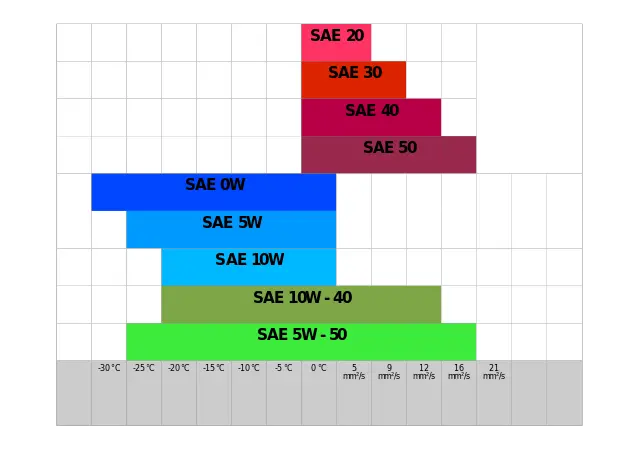
As you can see the above table, some of the full synthetic SAE30 engine oil can flow at extremely low pour points like -27.4°F or -45°F. These oils are specifically designed for small 4-stroke engines with chemical additives to operate at low pouring temperatures.
The 10W30 oil, on the other hand, is designed to provide better performance both in colder and warmer climates. It is thinner than SAE 30 oil, making it easier to flow at low temperatures. SAE 10W30 is a good choice for engine oil that performs colder and warmer climates.
If you’re looking for engine oil that will perform better in colder and warmer temperatures, SAE 10W30 is the way to go. If you live in an area with warmer weather that never drops below 32°F (0°C), SAE 30 is a better choice.

SAE 30 Vs 10w30 Specifications.
The Society of Automotive Engineers (SAE) has introduced a system for rating the viscosity of engine oils. This system uses single and two numbers like SAE 30 or SAE 10W30.
Multi-grade oil’s numbers before the W letter are its kinematic viscosity (cSt) at 0°C (32°F) temperatures, the “W” stands for winter (not the weight), and the last digits are the kinematic viscosity (cSt) at 100°C (212°F) temperatures. Oils with a higher viscosity rating, such as SAE 30, flow more slowly than oils with a lower viscosity rating.
The oil must be thick enough at high temperatures to provide adequate lubrication for your engine. It should also be thin enough to quickly drain the cylinder and return to the oil pan after use. If it is too thick, it will slowly coat the crankcase parts of your engine and reduce its cooling efficiency. Moreover, it wastes the engine’s horsepower.
The oil needs to be thin enough to flow freely through your engine at low temperatures but not so thin that it cannot provide adequate lubrication. This thinness is especially important in a cold climate because thicker oils take longer to drain back into the oil pan and can cause your engine to seize.
The SAE 30 oil has a viscosity rating of 30 at 100°C (212°F), which means it is thicker than the SAE 10W30 oil. However, this does not imply that the SAE 30 oil is better for your engine. The SAE 10W30 oil may be better for colder climates because it is thinner and will flow more easily at low temperatures.
Can I use SAE 30 instead of 10W30?
Yes, you can use SAE 30 instead of 10W30 motor oil. However, it is not the best practice. These two motor oils’ viscosity grades are significantly different. The SAE 30 is thicker, and SAE 10W30 is thinner. The oil’s viscosity measures how easily it flows at a given temperature. The lower the viscosity, the easier it flows at a low temperature, and vice versa.
Since the engine is metal on metal, when using thicker grade engine oils, the engine’s metal parts slowly lubricate at the start (cold engine start). Therefore this slow lubrication increases friction and wear. Also, the engine’s efficiency is sometimes wasted due to the slow oil flow. Thus this lack of lubrication can reduce the overall fuel efficiency (fuel economy).
Can you use 10W30 instead of SAE 30?
Yes, you can use 10W30 engine oil instead of SAE 30. 10W30 engine oil has a lower pouring temperature and works well in colder and higher operating temperatures. This multi-grade engine oil added anti-wear, anti-corrosion, and many more additives during the manufacturing process to enhance its performance. Moreover, ensure that your new oil meets the engine manufacturer’s recommended API service category rating.
Is SAE 30 better than 10W30?
At colder temperatures, SAE 10W30 is better than SAE 30. However, when the engine reaches operating temperature, both oils provide similar protection. In colder climates, 10W30 oil flows faster than the SAE30.
Is SAE 30 thicker than 10w30?
Yes, SAE30 is thicker motor oil, but when the operating temperature gradually increases, there is no significant thickness (Viscosity) difference in both engine oil. As you can see in the above SAE 30 and 10W30 products “Viscosity, Kinematic 100C” value range is 10-11.
Can you mix SAE 30 and 10w30 oils?
It is not recommended to mix two different types of engine oils together. These two engine oils have different base oils and additives. Therefore mixing completely different engines’ oil can clog and may reduce oil thickness at high temperatures and increase friction. Therefore you should not mix different engine oil viscosity together.
Can you use 10W40 instead of SAE 30?
Yes, you can use the 10W40 engine oil instead of SAE 30. The 10W40 oil can perform better in colder temperatures than the SAE 30. Moreover, 10W40 has higher viscosity in hot temperatures. This high viscosity means that 10W40 oil does not thin out in higher temperatures than SAE 30. But never mix two different grades of engine oil together.
What is SAE 30 oil is and where can it be used?
The Society of Automotive Engineers has tested and graded SAE 30 oil as motor oil. This oil can be used by air-cooled motors like lawnmowers, portable generators, chainsaws, pressure washers, water pumps, small tractors, and household equipment. This high-viscosity oil is suitable all year in warmer climate regions.
What is SAE oil best for a lawnmower?
The SAE 30, SAE40, and SAE 50 are good lawnmower oils. But, SAE 30 oil is the most common type of oil used in small engines such as lawnmowers because it’s lighter and flows more easily at low temperatures than the other two options. SAE 40 and SAE 50 oils are thicker and provide better protection against wearing at high temperatures but can be more challenging to start in cold weather.
What is the difference between SAE 30 and SAE 40 oil?
The primary difference between SAE 30 and SAE 40 oils is their viscosity at high temperatures. SAE 40 oil is much more viscous than SAE 30. SAE 40 oil will not flow as easily in the engine and may cause excessive wear to components such as crankshafts, camshafts, and bearings due to the lack of lubrication.
What temperature range is SAE 30 oil?
The SAE 30 viscosity rating is between 23°F (-5°C) to 212°F (100°C). The SAE 30 thickness of the oil will increase as the temperature decreases and vice versa.
SAE 30 vs. SAE 10W-30: What’s the Difference?
The main difference between SAE 30 and SAE 10W-30 is that SAE 30 has a higher viscosity rating. This high viscosity means it will be thicker at high temperatures and thinner at low temperatures. Sometimes this oil thickens in cold weather, which can cause the oil to not flow appropriately at the engine start. This lack of lubrication leads to increased friction and results in metal wearing. Because of this, SAE 30 is better suited for equipment that experiences higher ambient temperatures, and SAE 10W-30 is good for work in both cold and warmer climates.
Conclusion.
In this SAE 30 vs 10w30 comparison, you can choose the best lubricant for your engine. The main difference is that SAE 30 has a higher viscosity than 10W30. This higher viscosity means it takes more effort to flow the oil when starting an engine at a low temperature. However, it provides better lubrication once it’s up and running (after engine heating).
SAE 30 vs 10W-30 Oil Comparison (Which One Should You go for?)
SAE 30 and 10w30 are both good choices for motor oil. SAE 30 works well for older cars and for people that live in warmer climates, while 10w30 is great for varied temperatures or year-round use. There are many similarities and there are some big differences that may impact the way they work for your vehicle.

Is SAE 30 the Same as 10w30?
The biggest difference between these two oils is the viscosity. That means they both flow differently when exposed to rising and falling temperatures. SAE 30 is thick. It is not going to flow at the same rate as the other. 10w30 is thinner, and while being able to perform similarly at higher temperatures, it has also been tested at low temperatures.
What Does SAE 30 Mean?
SAE stands for the Society of Automotive Engineers. They developed the classification system based on the viscosity of oil that everyone uses. Motor oil usually has a viscosity rating between 0 and 50. So, SAE 30 means that this oil has a viscosity of 30 based on the system the SAE has put in place. That is a high enough rating for most motor vehicles like cars and trucks.
What Does 10w30 Mean?
10w30 is thinner than SAE 30. The “30” means that it has the same viscosity as the other when the engine is hot. However, since it is thinner, it will never become as thick as SAE 30 when it gets cold. 10w30 has a viscosity of 10w which means it will start moving and protecting engine parts at a colder temperature. That is very important for people that live in areas that have cold winters.
SAE 30 and 10w30 Oil Differences Explored
While there are many similarities between these two products, they are used differently in many ways. They each have properties that make them more acceptable for one job than the other.
Notable SAE 30 Oil Features
SAE 30 is a very commonly used and fairly inexpensive oil. Below are some of the facts that you should consider before choosing it.
Overall Performance
Most people who use SAE 30 are pleased with it. It is a little more expensive but will protect your engine even when experiencing prolonged exposure to high temperatures.
Composition
Many oils contain detergents that have additives that trap dirt and help to keep the engine free of sludge in between changes. Some car owners do not like detergents as they feel they do more harm to the car than good. If the oil that you are buying is not labeled detergent-free, you are probably buying one that is not.
Oil Pressure
SAE 30 oil can withstand a good deal of pressure. It has been tested for long periods in extreme temperatures up to 212℉.
Viscosity
SAE30 has a viscosity rating of 30. That means that it flows well enough in the average car or truck in warm or hot weather. It can hold up to the rising temperature of the engine. And it will help protect it from the friction caused by its moving parts.
Operating Temperature
SAE 30 has been rated for hot viscosity. That means that while it might work in your car in cold weather, there have been no tests to prove it. It will reach its viscosity peak at around 212℉ but will break down once the engine temperature reaches 250-260℉. After that point, the engine will overheat. The oil will have to cool down before continuing.
SAE 30 does not have the best profile for cold weather. It is best to use it in the warmer months.
Average Price per Quart
As with any product, the brand name says a lot about the price. It may also say a lot about the quality. If it is made by a company you have never heard of, do some careful research. A quart made by some well-known companies will cost between $10-$15.
Notable 10w30 Oil Features
While 10w30 is one of the most popular types of oil on the market, consider these factors before choosing to use it.
Overall Performance
10w30 works great at high temperatures for a long time. It also has low viscosity when it is cold. That makes it a good choice for people who live in an area with a varied climate. If you wear a sweater in the morning but you have shorts on by afternoon, then this might be the one for your vehicle. It will not thicken up and keep your engine from turning over when it is cold.
Composition
10w30 is available as conventional motor oil as well as synthetic. Conventional has a base of crude oil mixed with some additives. Synthetic oil tends to outperform those and protects the engine over time.
Always be sure to change the oil filter at the same time as the oil. That will help to keep any buildup from additives causing problems in your car later.
Oil Pressure
10w30 is thinner than SAE 30, which means it will not create as much pressure, giving your engine a longer life.
Viscosity
Both of these oils have the same viscosity in high temperatures. When the engine is cool the 10w30 will not thicken up as much as the other. And when the weather is cold, 10w30 will circulate and help your engine get started a lot quicker.
Operating Temperature Range
10w30 is optimal in a hot engine up to 212℉. Just like SAE 30, it will begin to break down at about 260℉. However, because it is thinner it can remain viable in cold weather down to 13℉. So in winter it will give you a smooth startup and keep you running.
Average Price per Quart
10w30 is inexpensive, which is one reason why it is so popular. Many brands are under $5. Consumers can expect to pay between $5-$10.

Pros and Cons of SAE 30 and 10w30 Oil
| Pros | Cons | |
| 10w30 | Low viscosity in cold temperatures | Not as optimal in warmer weather |
| Works well in high mileage vehicles | Does not offer as much protection to older vehicles | |
| Slightly less expensive | Not as good for small engines | |
| SAE 30 | High viscosity helps protect older engines | Puts drag on the engine causing it to slow down |
| Good for small engines (Lawn Mowers) | Not optimal for new cars | |
| Works well in high temperatures | Does not work as well in winter |
When To Use SAE 30
If cold weather is not a factor, then SAE 30 will be a good option any time. It is also a good option if the vehicle is older because the thicker oil will help to protect the older parts.
When To Use 10w30
If the weather is constantly changing or the winters are particularly cold, 10w30 will be a better choice.
So, Should You Use SAE 30 or 10w30?
Unless you are going to be in a colder climate, there is not much difference between the two. For smaller engines, such as lawnmowers, 10w30 will work better because SAE 30 may be too thick for their parts.
If your car is older, you might want to consider using SAE 30 in the warmer months and swapping to 10w30 when the weather starts to change. That will give you the benefit of the protection that the thicker oil gives to the moving parts of your engine while also taking advantage of the lower viscosity in the cold weather.
Our Recommended SAE 30 and 10w30 Oil Brands
If you are looking for SAE 30 oil then the three top brands are:
- Valvoline Daily Protection
- Quaker State Peak Performance
- Pennzoil
For 10w30, you can not go wrong with the following:
- Valvoline High Mileage
- Castrol GTX
- Quaker State All Mileage
Which is thicker, SAE 30 or 10w30?
SAE 30 was designed to perform best in warm weather. The oil is thicker and thins out as it warms up and flows through the hot engine.
Can I use 10w30 instead of SAE 30 in my lawnmower?
Yes, both are suitable for lawnmowers. If your mower is older, the SAE 30 will offer more protection. Some small engines may have a hard time with the thicker oil. With smaller engines, it is best to consult your owner’s manual before changing the type of oil that you are using.
Can you mix SAE 30 and 10w30?
Yes. Any SAE graded motor oil can be mixed.
Conclusion
The most important thing to remember is that any oil is better than no oil at all. SAE 30 and 10w30 are both good choices for your vehicle and they will both give your vehicle a longer life. But if you want optimal performance and a smooth drive all year, be sure to get the oil that suits your needs depending on the car’s age and the climate where you are.
SAE 30 vs 10w30: Which is Best for Your Mower?
While your lawn mower might have a smaller gas engine, there are still a ton of moving parts that require oil. But not all motor oil is the same. Since there is a huge variety of motor oils out there, it can be tricky to figure out which kind you need. When it comes to lawn mowers, two of the most common oils used are SAE 30 and 10w30. These two oils each offer their own benefits because they have slightly different characteristics. This is true for most motor oils.
Motor oils are usually classified by how they act at different temperatures, and their viscosity. At warmer temperatures, oil is thinner (less viscous) and flows more quickly, while the opposite is true at lower temperatures. Because of this, some oils have additives that change their thickness or viscosity so that they can flow correctly even when the engine is really cold or really hot.

SAE 30 vs 10w30 (The Short Version)
The winner of best oil between SAE 30 vs 10w30 needs to be chosen with operating conditions in mind. Basically, SAE 30 works great in older mowers, but most newer mowers call for 10w30. SAE 30 is also better in warm conditions while 10w30 can accommodate colder ones as well. Aside from these factors, be sure to consider what the manufacturer recommends for your lawn mower.
Is SAE 30 the Same as 10w30?
Although both motor oils are commonly used in mowers, SAE 30 and 10w30 are not the same. To explain this in more detail, let’s talk a little bit about how motor oils are classified.
First, take a look at the “30” that you see in both oils. This number represents the measurement of viscosity that has been made a standard by the Society of Automotive Engineers (SAE) at 100 degrees Celsius. Both SAE 30 and 10w30 have a viscosity grade of 30 while hot.
Next, let’s talk about the “10w” that you can see. This is another viscosity grade but is rated for cold temperatures (represented by “w” for winter). What this tells us is that 10w30 has been rated for different viscosities at hot and cold temperatures.
So, using this information, we can determine that SAE 30 is what’s known as a single-grade oil. Again, this is because its viscosity is only rated one time while hot.
10w30 oil, on the other hand, is known as a multi-grade oil. At cold (winter) temperatures, it will have a viscosity grade of 10, and when hot, it will have a viscosity grade of 30. This is accomplished through the use of oil additives to change the properties of the oil. Still wondering about the differences between SAE 30 vs 10w30? I’ll cover some of their main characteristics below.
The Characteristics of SAE 30 and Its Benefits
As I started talking about in the last section, SAE 30’s main characteristic is its viscosity grade of 30 at hot temperatures. The SAE grading system runs from 0-60 putting SAE 30 smack dab in the middle. What that means is that SAE 30 has a pretty average viscosity or resistance to flowing. This oil is fairly standard and is almost exclusively used in small engine tools.
With simpler and more predictable motors, single-grade oil works great. This is especially true for older model lawn mowers. Another perk of SAE 30 is that it is typically less expensive than multi-grade oils. Of course, the price still largely depends on whether you buy synthetic or conventional oil (but I’ll save the debate between synthetic and conventional oil for another day).
The Characteristics of 10w30 and Its Benefits
Again, since 10w30 has two different viscosity ratings based on temperature, it is a multi-grade oil. While hot it is rated at 30 viscosity, and when cold it is rated at 10 viscosity. This characteristic lets the oil adapt to whatever situation the engine is in. Because of this, most larger engines, like those on passenger vehicles, use multi-grade oils.
A big reason for this is that engines need lubricating even when it is really cold outside or the engine is just starting. If you live somewhere that gets cold during the mowing season, it might not be a bad idea to use a multi-grade oil like this that has some flexibility. 10w30 has saved my bacon a few times when faced with a mower that’s hard to start when it’s cold outside.
Can I Use SAE 30 Instead of 10w30? (+ When It Makes Sense)
The short answer to this question is sometimes. Using a single-grade oil in place of a multi-grade oil can cause problems. In this case, however, with lawn mower engines and with oils of the same viscosity grade when hot, you might be able to get away with it.
Let me describe a couple of specific scenarios where it is okay to use SAE 30 instead of 10w30. First, if you live somewhere that doesn’t get much cold weather during the mowing season, it shouldn’t be a problem. This is because both oils will flow the same when hot. If there’s no need to worry about cold starts, you should be fine. The other time where you’re okay to use SAE 30 instead of 10w30 is if your manual or manufacturer recommends it. This would be most likely on older lawn mowers, but it’s worth double-checking.
Can I Use 10w30 Instead of SAE 30 in My Lawn Mower?
You can use 10w30 instead of SAE 30 in your lawn mower if you want. Since 10w30 has the same viscosity grade at operating temperature, you won’t run into any problems by using it instead of SAE 30.
Sometimes it is actually a good idea to make this switch. This would be the case for anybody mowing in colder climates. Since 10w30 is a multi-grade oil, the only consequence of using it is more flexibility with different temperatures. Many newer lawn mowers actually recommend the use of 10w30 in their engines. Although SAE 30 has been a traditional choice for small engines, the viscosity range of 10w30 oils is being used more and more often.
Conclusion
Still wondering, is SAE 30 the same as 10w30? All in all, they are very similar but they are not the same. Manufacturer guidelines are always the best bet to follow, and if that doesn’t clear things up enough, think about your climate. Though it might not seem relevant, it’s a good way to figure out which oil is best for your mower. Got an old mower and live somewhere that is always hot? SAE 30. Newer mow in a place where the temperatures dip down during mowing season? Go for 10w30.

About Tom Greene
I’ve always had a keen interest in lawn care as long as I can remember. Friends used to call me the «lawn mower guru» (hence the site name), but I’m anything but. I just enjoy cutting my lawn and spending time outdoors. I also love the well-deserved doughnuts and coffee afterward!
Comments
Jonathan Willard says
Thank you sir for a most informative article and thorough.i have always been confused about oil weight and this was a good lesson in “10w”.
I have a 2018 ferris with a kawasaki fx651v.i am changing the oil today and all I have is Briggs and Stratton sae30. I am going to run it. And I am going to pick up some 10w30 asap. Thank you again.
SAE 30 vs 10w30: Which Oil Is Better?

Whether you are talking about the engine in your car, a lawnmower, a chainsaw, or pretty much anything else, oil is a critical component. The oil acts as a lubricant to engine parts, allowing them to move smoothly. Friction between metal components causes damage and overheating.
In an engine without oil, the moving parts will grind against each other and can cause a seizing up, most likely damaging your engine permanently.
But as you can imagine, not all engines require the same type of oil, and there is a system for classifying oil that tells you which one to buy. The right oil for you depends on the type of engine and the optimal temperature.
And in this article, you will learn about two specific engine oils—SAE 30 and 10w30. You will read about the differences and similarities and whether your situation calls for SAE 30 or 10w30.
What Is SAE 30?
If you’ve been researching what oil to buy for one of your smaller engines, like a lawnmower, you might be wondering to yourself, “what does SAE 30 oil mean?”. And to answer that question, we first have to understand the scientific measurement of viscosity.
The viscosity of a liquid tells you how much resistance it has to movement or changes in shape. In other words, viscosity is the quality of a fluid that resists flowing. So a fluid high in viscosity will be thicker and flow slowly. And a fluid low in viscosity will be thinner and flow quickly.
You’ll learn more detail about the importance of viscosity shortly, but for now, that is enough to understand why SAE 30 has its name and why there is a difference between 10w30 and SAE 30.
SAE is short for the Society of Automotive Engineers, and they are the group that standardizes viscosity ratings in engine oils. The viscosity of motor oils typically falls in the range of 0-100, with a higher number designating a thicker oil. And SAE 30 is the oil that has a standardized viscosity rating of 30 at the standardized operating temperature of 100 degrees Celsius.
Tractors, lawnmowers, chainsaws, and other small air-cooled engines typically use SAE 30, ideal for use at higher temperatures. While a low viscosity works better when you are first starting a cold engine, thin oil can be dangerous at higher operating temperatures.

What Is 10w30?
If you have been researching what oil you should put in your engine, you have also likely run into a different type of engine oil called 10w30. And you might be asking yourself, “is 10w30 the same as SAE 30?”. And which oil wins in a comparison between SAE 10w30 vs SAE 30?
Before comparing SAE 30 vs 10w30, let’s first go over where this other oil gets its name. Similar to the previous oil, the numbers in 10w30 are viscosity measurements. These measurements are also guaranteed by the Society of Automotive Engineers, but it includes an additional viscosity. This addition is the “w” in the name, which stands for winter. It is a measurement of viscosity during colder temperatures.
How can one oil have different viscosities? 10w30 is a double grade oil, and it can therefore have a low viscosity during colder temperatures and a higher viscosity during the hotter operating temperatures. This blending of viscosity is crucial when you need to start an engine in cold weather.
Things About Motor Oil and Engine You Need to Know
You’ve already read about the meaning of viscosity, but let’s now go over the details about why it’s an important consideration for your engines. You already know that an oil higher in viscosity—the higher numbers—flows more slowly. And the thinner oils, viscosities of 5 or 10, flow quickly and can move around your engine easily.
When an engine is running, the oil is moving around the entire engine and keeping everything lubricated. And when you turn off the engine, the oil settles back down into its reservoir storage. Upon restarting the engine, that oil needs to move around the engine again as quickly as possible. And if the oil is too thick, especially in the cold temperatures of winter, then the oil takes a long time to reach its optimal viscosity.
So thinner oil is ideal for lower temperatures. But on the opposite end of the spectrum, there is the problem of the engine being hot. At hotter temperatures, a low viscosity oil does a poor job of properly lubricating and separating engine parts. At high temperatures, thicker oil is ideal.
And that is where a multigrade oil blend like 10w30 comes in handy. By optimizing for cooler and hotter operating temperatures, you can enhance the performance of your engines. By achieving the ideal viscosity for your operating environment, you will decrease your usage of oil and prevent unnecessary wear and tear from aging your engine parts.
© Hundehalter
What Is the Difference Between SAE 30 and 10w30?
Is SAE 30 oil the same as SAE 10w30 oil? The answer is a complicated yes and no. SAE 30 is engine oil that is single grade, meaning that it only guarantees the stated viscosity at the higher temperature requirements. And at 100 degrees Celsius, both oils have just about the same viscosity—that is why 10w30 oil vs SAE 30 is not a big difference at higher temperatures.
The main difference between these oils is at the lower temperatures, where the viscosities start to differ much more. This difference is because 10w30 motor oil is a multigrade oil, which means that it can maintain an ideal viscosity over a wider temperature range.
For a cold start, the engine prefers a lower viscosity so that the oil can quickly move around and lubricate the engine parts. The “10w” refers to this lower viscosity in “winter” temperatures. And then once your engine heats up to normal operating temperatures, you can expect a similar viscosity rating of 30.
So the main difference between 10w30 and SAE 30 is that one is multigrade and the other is single grade.
Can You Mix SAE 30 and 10w30?
Generally speaking, mixing different oils with different viscosities can be risky, and there is never a guarantee that you will arrive at an acceptable viscosity in the final mix. And this warning against mixing is even more true between single grade and multigrade oils.
While it is probably safe to mix different brands of oils, you should avoid mixing SAE 30 and 10w30 oils. If you need to mix, stick to mixing single-grade oils or multigrade oils with only the same type. It is not advisable to mix a single-grade oil like SAE 30 with a multigrade oil like 10w30.
Which Oil Should I Use for My Lawn Mower?
Lawn mower SAE 10w30 motor oil is probably the most common type of oil used in modern lawn mower engines. It is multigrade and will work well at the lower starting temperatures as well as the higher operating temperatures.
But older engines were indeed designed to be used with SAE 30 oil, and as stated, this will last longer at higher operating temperatures. The thicker oil will also help to protect your lawn mower parts over the long run. In addition, you don’t usually cut the grass during the winter anyway. So SAE 30 is not likely to cause problems in terms of cold startups.
But ultimately, you should read the manual for your specific lawnmower to find out what grade of oil it recommends you use. In almost all cases—and especially for 4-stroke engines—10w30 is the recommended oil to use. A 4-stroke engine has separate filling ports for gasoline and oil, while a 2-stroke engine fills up oil and gas from the same place.
That’s how to decide between SAE 30 vs 10w30 for a lawn mower. Generally, if you have a 4-stroke engine whose manual calls for 10w30, it is probably most ideal to use that or another similar multigrade oil.

Can I Use SAE 30 Instead of 10w30?
While there are some situations where you can get away with using SAE30 instead of 10w30, it is generally not a recommended thing to do. Depending on your engine, for example, if it is a much older engine, you might be able to use a single grade oil like SAE 30 during the hot summer months. You should know, though, that using SAE 30 during cold temperatures is dangerous.
But even during hot temperatures, multigrade oil is still desirable. Most modern engines have a design suited for multigrade oils, and if a thick oil takes too long to lubricate your engine parts, you could be risking permanent damage.

Conclusion: Should I Use SAE 30 or 10w30?
Is SAE 30 the same as 10w30? Hopefully, after reading the article, you have a better understanding of the similarities and differences. When comparing SAE 30 oil vs 10w30, the main consideration is temperature. SAE 30 is more efficient at high operating temperatures.
But if you want an oil that will be optimal at a wide range of operating temperatures, it will be safest to choose the multigrade 10w30 engine oil.
Frequently Asked Questions
It is not recommended to do so. Not only is SAE 30 dangerous during cold temperatures, but your engine might risk permanent damage as well. Here you’ll find all information on what motor oil you should pick (SAE 30 or 10w30)
The main difference between these two oils is the fact that SAE 30 is a single grade engine oil, whereas 10w30 is a multigrade oil. Here you’ll find all differences between the 2 engine oils, and what one u should pick for your engine.